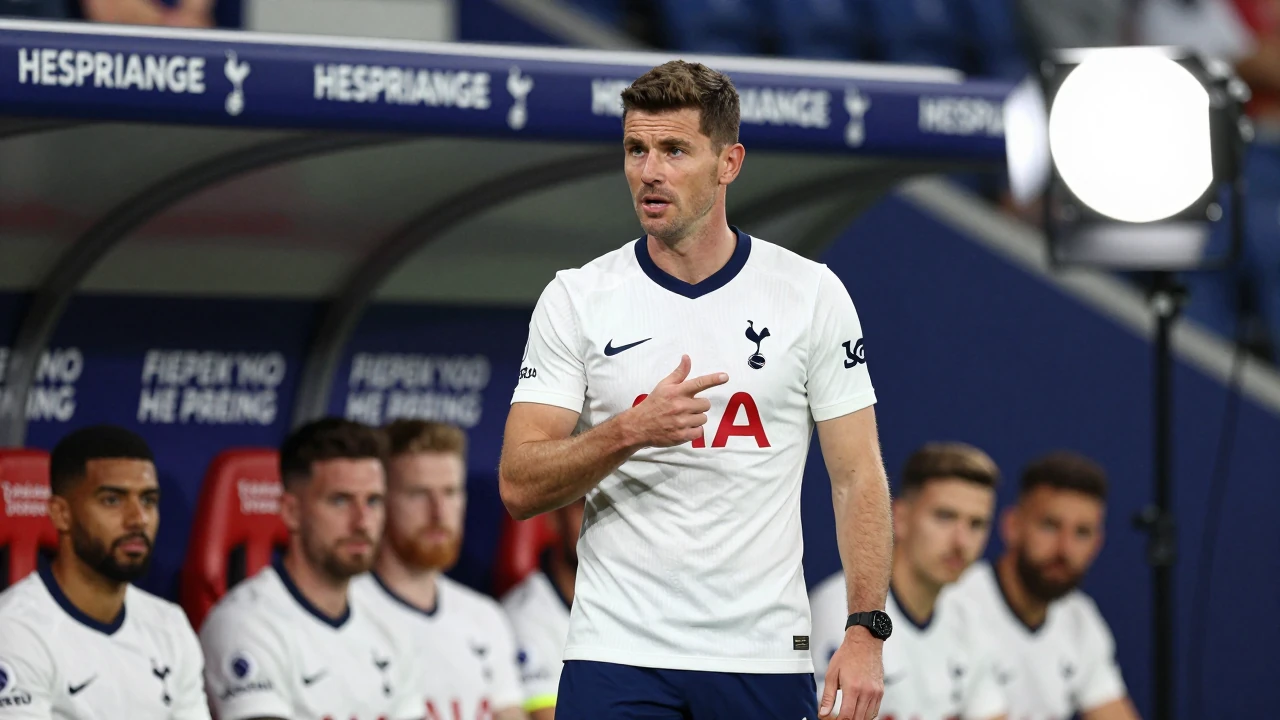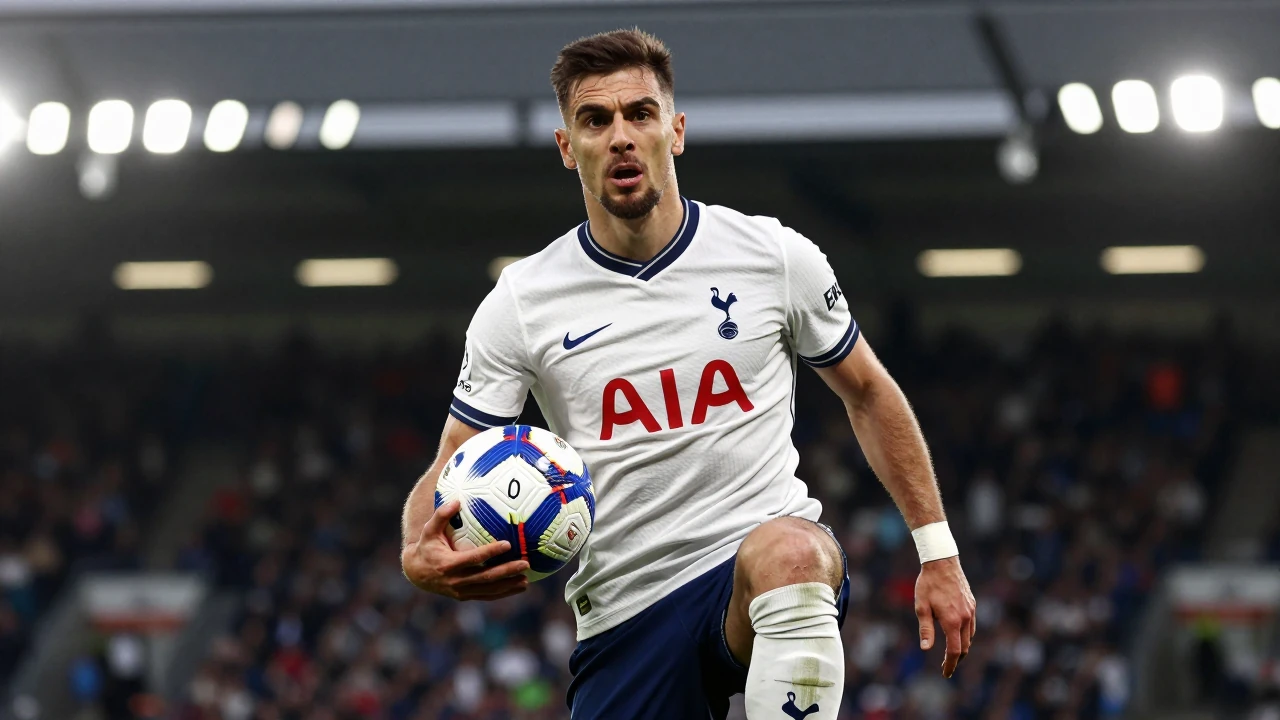

Tottenham Hotspur arrived in Auckland on July 28, 2026, only to field a largely inexperienced side, leaving over 40,000 fans feeling short‑changed. The North London club’s 2‑0 win over Auckland FC was achieved with five starters who had never featured in a senior competitive match for Spurs, and nine players aged 22 or younger.
Why did Tottenham send a youth‑heavy lineup?
The club’s pre‑season schedule placed the Auckland fixture just weeks after the World Cup, meaning many senior internationals were still on break. Manager Ange Postecoglou opted to protect his first‑team regulars, introducing Richarlison, Ben Davies, Conor Gallagher, Mathys Tel and new signing Mateus Fernandes only in the 62nd minute. This strategy kept the squad fresh for the upcoming Australian leg but left the record‑crowd at Eden Park seeing few marquee names.
How did the fans react?
Local supporters, including long‑time fan Simon Kay, voiced frustration on social media, arguing that the club’s promises of a star‑studded showcase were unmet. The disappointment was amplified by the fact that Tottenham finished the 2025 season in 17th place in the Premier League, with 41 points and a recent form of W‑L‑D‑W‑W, yet still failed to bring its top talent to New Zealand. Fans felt the tour’s commercial motives outweighed the sporting experience.
What does this mean for future tours?
Analysts suggest that scheduling pre‑season trips in odd‑numbered years could avoid clashes with major tournaments, allowing a stronger squad to travel. Tottenham’s last Australian appearance in 2024 featured a more balanced lineup against Newcastle United, drawing 72,000 spectators at the MCG. If the club wishes to maintain its global brand, it must align fan expectations with realistic squad selections, especially when the team is 44 points behind league leaders Arsenal.
What’s next for Tottenham Hotspur?
The Spurs will face Chelsea at the Olympic Stadium on August 3, 2026, with the expectation that a fuller first‑team XI will be on display. Meanwhile, the club’s season‑long challenges remain, as they aim to improve on a goal tally of 48 scored and 57 conceded, a -9 goal difference, from the previous campaign. Supporters hope the Auckland experience serves as a lesson in balancing commercial outreach with on‑field quality.